

Upgrade World
When everything signals taste, everything can be upgraded

Has luxury merged with the everyday?
A shift has been happening in fashion. The allure of exclusivity, high prices and cultural association has cooled. Premium brands with utility have started winning.
It’s part of a wider shift. We’re valuing experiences over things and expect more from what we buy.
What that means for how we show taste is interesting. From bathroom to the kitchen, everyday spaces have entered the cultural conversation. This article explores why that matters and why it’s happening.
Fashion’s Middle Tier
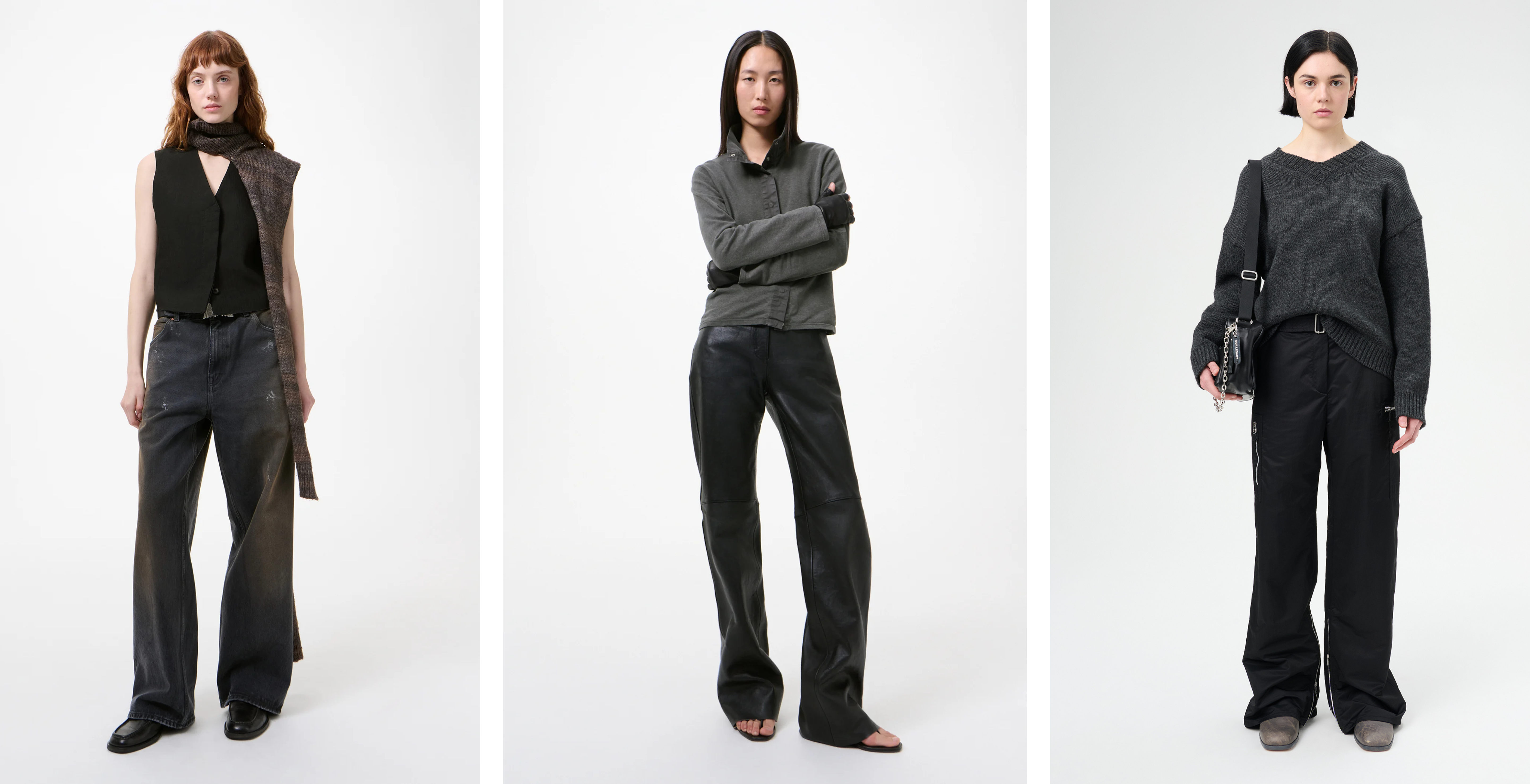
In fashion, premium brands have been eating luxury’s lunch for some time.
Data from Lyst shows that customer engagement with premium brands has quadrupled between 2022 and today, and has been overtaking luxury since 2024.
Why? Middle tier brands borrowed luxury brand codes and leant on the narrative of craft but at a comparative bargain. What might’ve felt like a splurge was now a smart decision, value for money even.
The poster child of this space, Our Legacy, has seen 500% growth over the last three years.
Then other brands clocked on. Coined by BoF in their 2026 State of Fashion report, the “Elevation Game” describes the movement of brands upmarket to separate themselves from fast fashion and capture new customers from luxury.
The Taste Universe
The same thing has been happening outside of fashion.
Upgrade World describes a new brand ecosystem – one where customers have an abundance of options across multiple tiers.
Fashion used to be the primary expression of taste, but now it’s all encompassing – where you eat, how you sleep and where you go are all cultural signals.
On TikTok, ‘Spend a day with me’ and ‘What I eat in a day’ are the new ‘Outfit of the day’ videos. Your Google Maps says more about you than your wardrobe.
When everything shows taste, ‘luxury’ moves into new areas.
Today premium brands in new categories are thriving as consumers look to signal taste and status in new areas of their lives.
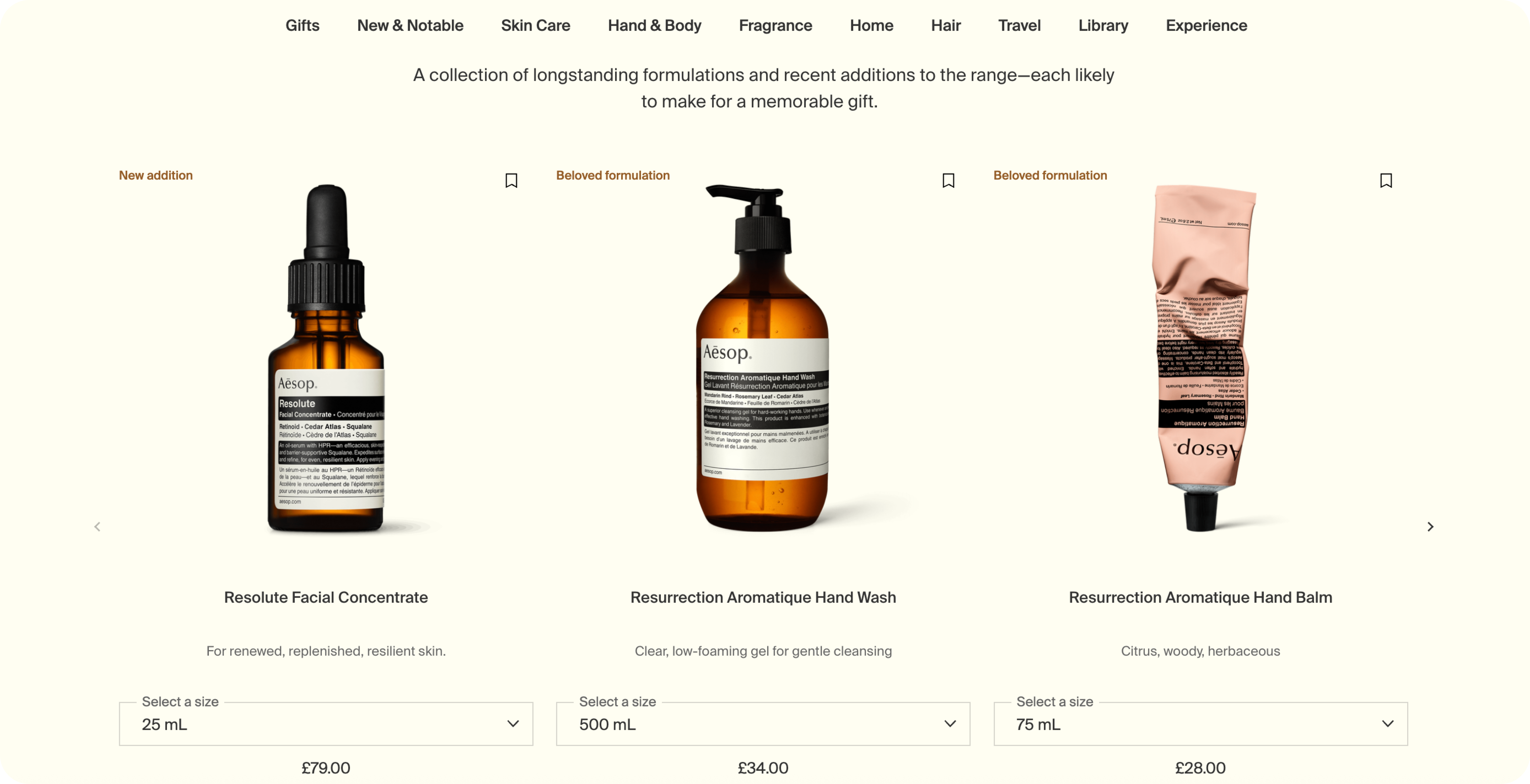
Aesop, the Australian luxury skincare brand known for its ritualistic products is growing its store presence at a rapid rate from 100 stores in 2016 to around 400 in 2025.
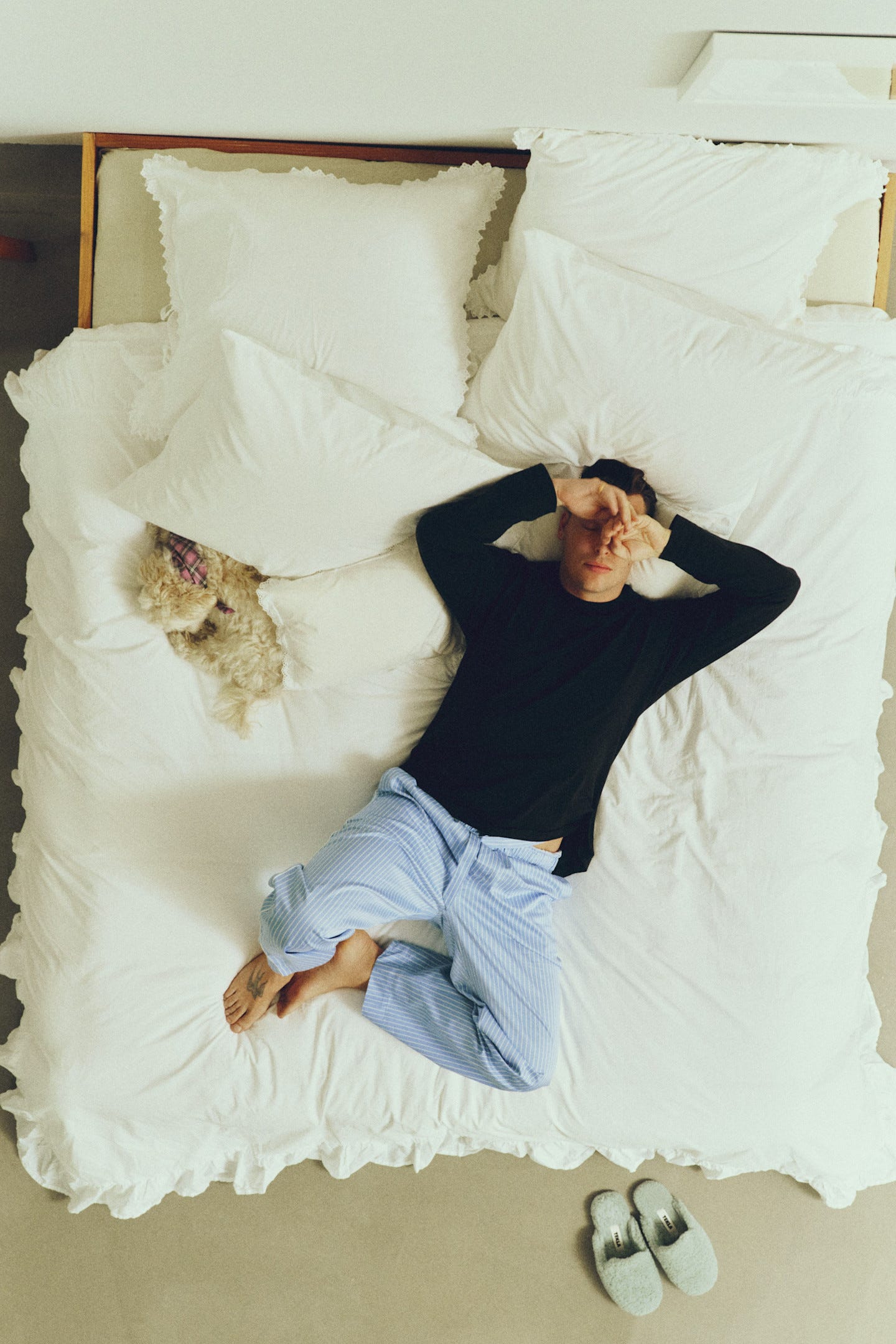
TEKLA, the Copenhagen based sleepwear brand known for its colourful stripy sheets and robes has turned rest into an aspirational lifestyle. An article in the FT earlier this year revealed the company plans to double the size of the business to €50mn by 2028. A pyjama set will set you back over £300.
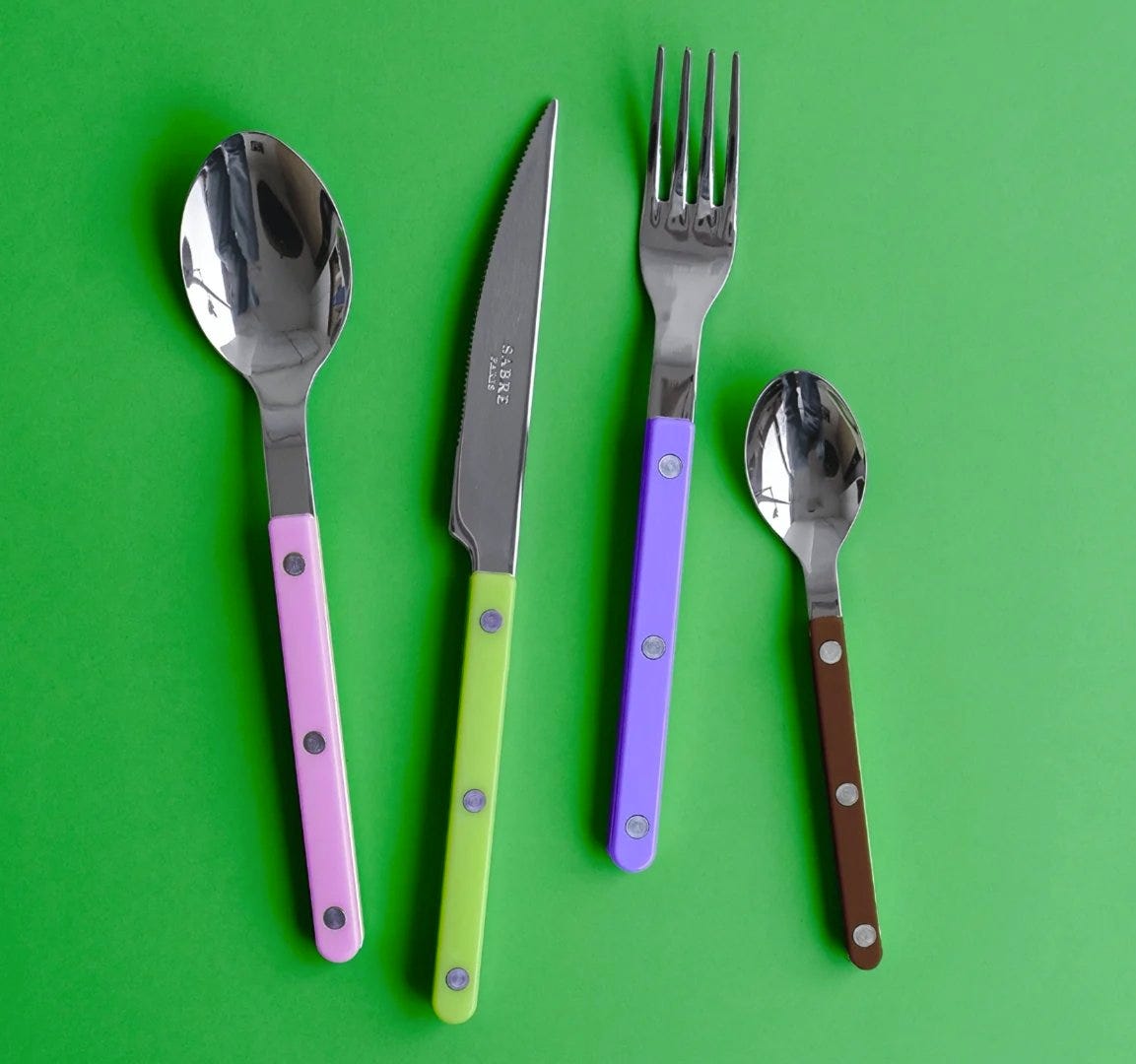
Sabre, the French luxury cutlery brand has doubled its production from 2,500 to over 7,000 pieces per day. Pick your 24 piece set in pink, green or ivory colours – it’s only £234.
Then there’s food.
Whether it’s where you eat your lunch, or what’s in your fridge, it feels like people are more willing than ever to spend more to find quality.
With it’s £7 cups, distinctive colour and questionable health benefits, matcha – a primary culprit for the coining of ‘Little treat culture’ – has become a signal of discerning contemporary taste.
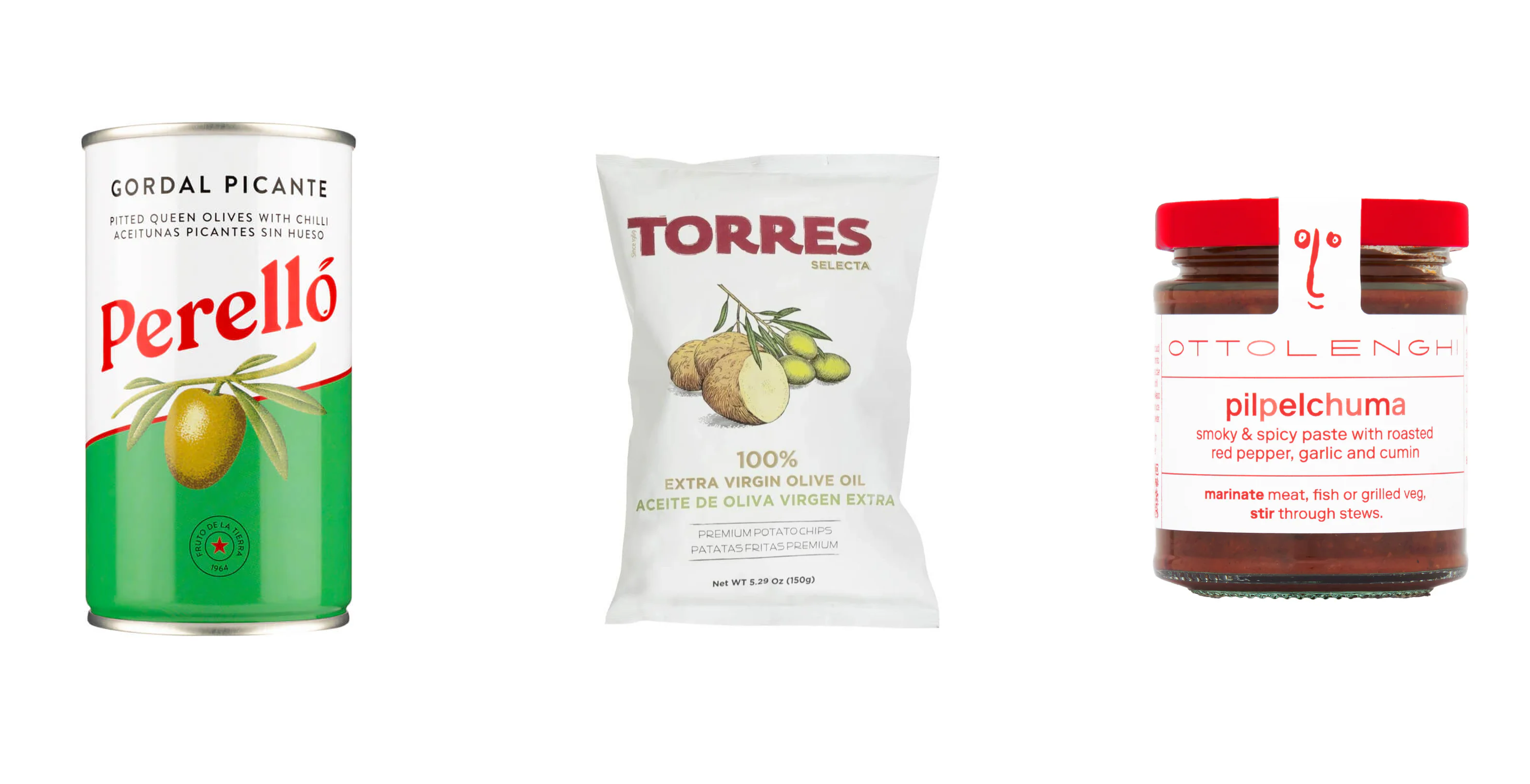
Even your cupboard isn’t safe from Upgrade World.
“A stacked shelf of niche, IYKYK groceries is already signalling more cultural capital than the latest It-bag,” said Harry Bainbridge, Chief Strategy Officer of Highnsobiety, in a recent newsletter.
Shoppers buying premium private-label food products increased 19% in the UK in 2025, according to Nielsen.
Why this, why now?
I think there’s a few reasons for this shift.
Wealthy, not rich
First, pessimism for the future has changed how we spend money, and what on.
The common path of growing up and saving for a home has been torn up. Americans now need to earn six figures to afford a median-priced house, and homeownership for 25–34 year olds in the UK has fallen to 42%. (IFS)
Young people are admitting financial defeat, taking the pipe dream of a home off the table. Economic commentator Demetri Kofinas calls this “financial nihilism” – why strive and save when it won’t be enough to make it anyway?
When people give up on homes, they have more disposable income. Those who feel “financially secure or thriving” has risen from 27% in 2024 to 31% in 2025, according to Euromonitor.
The result is a generation that lacks the life affirming assets, but is able to buy smaller, fun ones.
Instead of storing money away, Gen Z are “Life-maxxing” - prioritising quality experiences over making responsible financial decisions.
Suddenly, that Aime Leon Dore La Mazzaroco coffee machine seems to justify itself.
Luxury priced us out
Traditional luxury is now too expensive for the customers that once defined it.
Higher prices caused by tariff uncertainty and global logistics meant that goods that were aspirational are now fully unrealistic – between 2019 and 2025, luxury prices rose by an average of 61%, says BoF.
That’s alright for your most loyal clientele, but prices most average customers out entirely.
Combine that with the fact customers have got savvier, and it’s a recipe for reset.
When you’ve got the world’s review section in your pocket (Reddit, TikTok), you question the real value of what you’re spending on, and whether there’s a better alternative. (Cue dupe culture and a thriving second hand market.)
High prices used to signal wealth and access by filtering for a certain customer. Now luxury’s value is being questioned. The same State of Fashion report reveals 35% of aspirational luxury customers have delayed or pulled back on spending.
Status shift
Platforms like Instagram democratized knowledge – what to buy, where to go, what’s hot.
But when anyone can buy their way to status, it disintegrates. As David Marx explains in his book ‘Status and Culture’, “If everyone can go to the VIP room, it’s not a VIP room.”
In 2016, having taste was as simple as buying Supreme. In 2026 it’s a collage – your gym subscription, the music you listen to, and your neighborhood are all signals.
The future of taste
The rise of premium brands in every corner of our lives suggests that both the definition of luxury and how we display taste has changed.
Luxury shifted from something consumed to something felt. It’s more than what we buy – it’s how we feel, what we consume, and how we spend free time.
But also our multifaceted lives became a canvas for cultural taste. Status signals leaked into our hobbies and our spare time.
A candle. An ingredient. A pillow case.
Luxury used to be fueled by the irrational desire created by brand image. Now it comes from superior experience.
It’s now goodbye to ROI, and hello ROJ (“Return on Joy”).
The new luxury customer isn’t after a Birkin bag that triples in value – they want a luxurious life made by lots of nice things.
Professionally Curious is a sporadic letter covering the crossroads of brand, culture, and beyond from the desk of London based Strategist Harry Salmons.
If you enjoyed this post, consider subscribing or upgrade to a paid subscription to receive exclusive posts in the future.
Adding supplements, activewear, which pilates to pick, where to travel, what restaurants to go to etc.
Don’t get me wrong, I love nice stuff. But the whole game is actually off-putting, and this race for superlative brand life is not making us more individual, smarter, or cooler— it’s just conforming to global trends, reflecting a lack of critical thinking, and encouraging more spending.